
Cowichan Valley Rhododendron Society
Newsletter
Volume 37:9
Editor: Verna Buhler
Contributors: Alan Campbell, Dorothy Kennedy, Verna Buhler
Technical Support: Joanne Meredith
Table of Contents
Nature Decorates for the Festive Season
Take a walk in the woods or your garden.
Slow down, breathe deeply, and take in the sights, sounds, and smells offered by Nature this season.
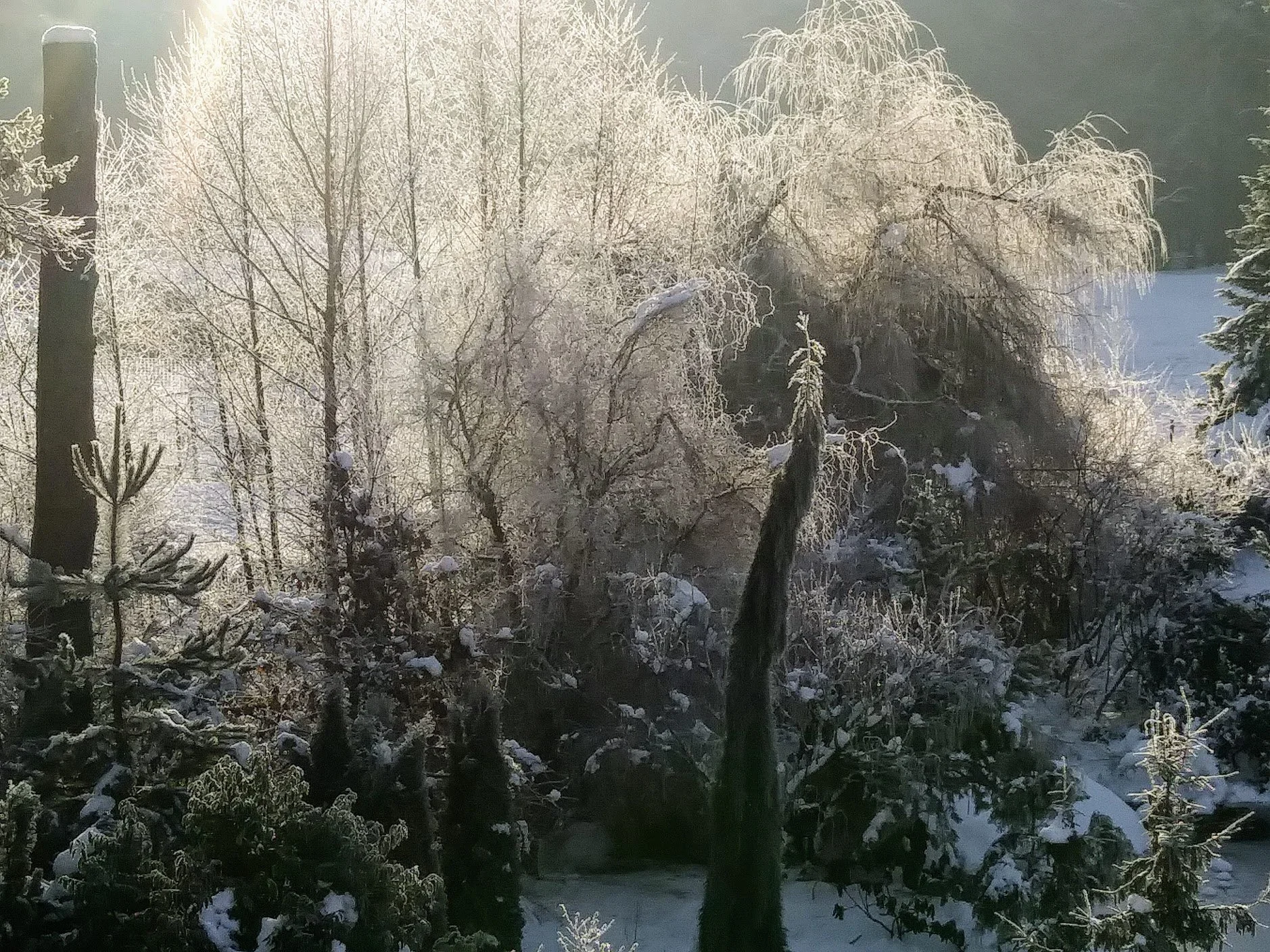
Nature has decorated in an elegant fashion, unlikely to be matched by any lauded decorators.
The crystalline quality of fresh snow or hoar frost reflects light in ways that create luminous environments even during the brief daylight hours in winter. The contrast between elements in the low slanted light defines architectural qualities of trees, rocks and terrain, features that might otherwise go unnoticed. Berries peek through frost, fog and mist.
Following are just a few delights of the season.
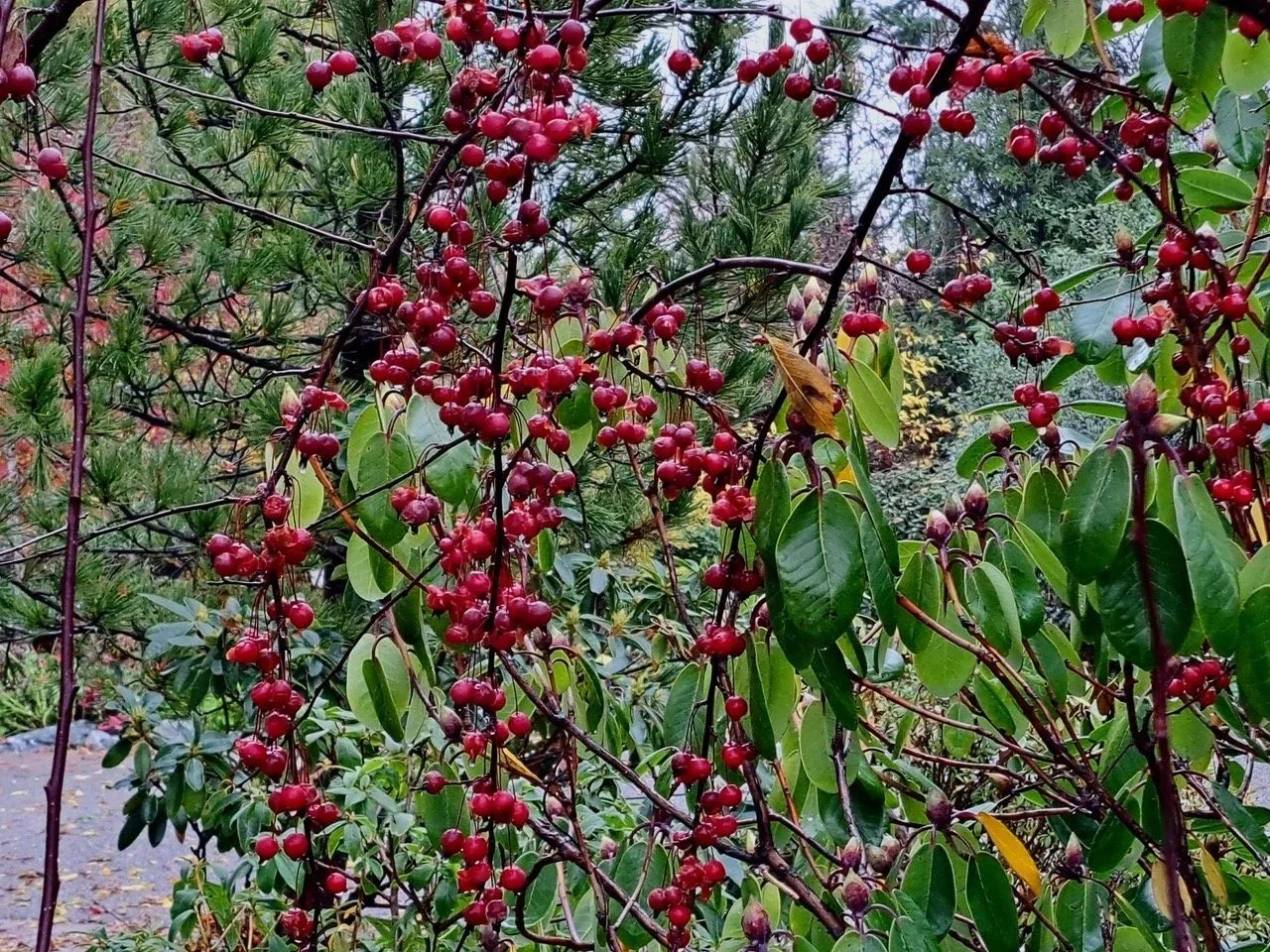
Malus ‘Prairie Fire’
has brilliant small red crabapples that birds love. This tree in our garden was favoured by the Varied Thrush this week.
Photo: Verna Buhler
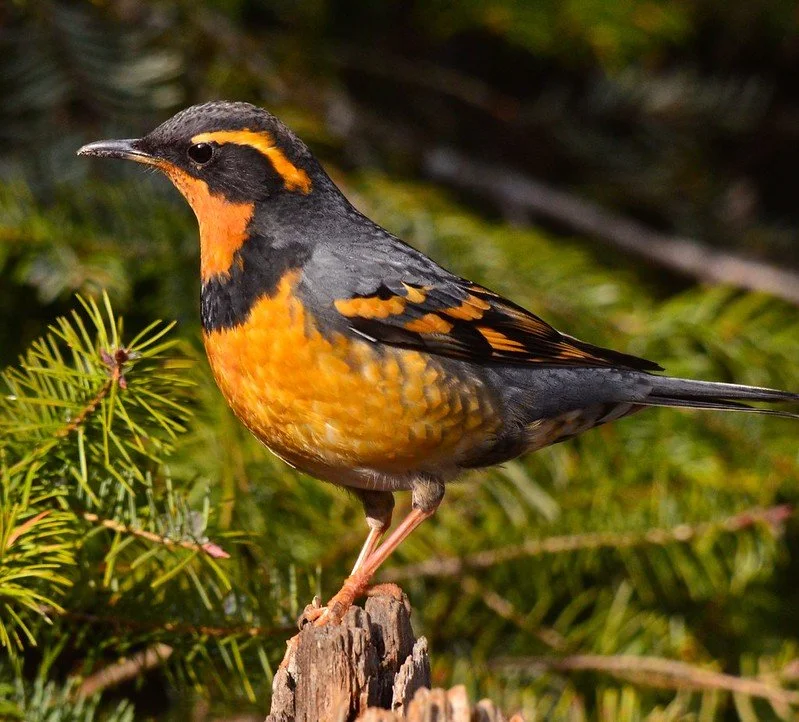
Varied Thrush
is a shy Pacific Northwest forest thrush that can visit winter gardens when they retain dense cover, fruit, berries, and quiet ground space. Their visits to our gardens are generally short stays.
Photo: Eugene Beckes Flickr
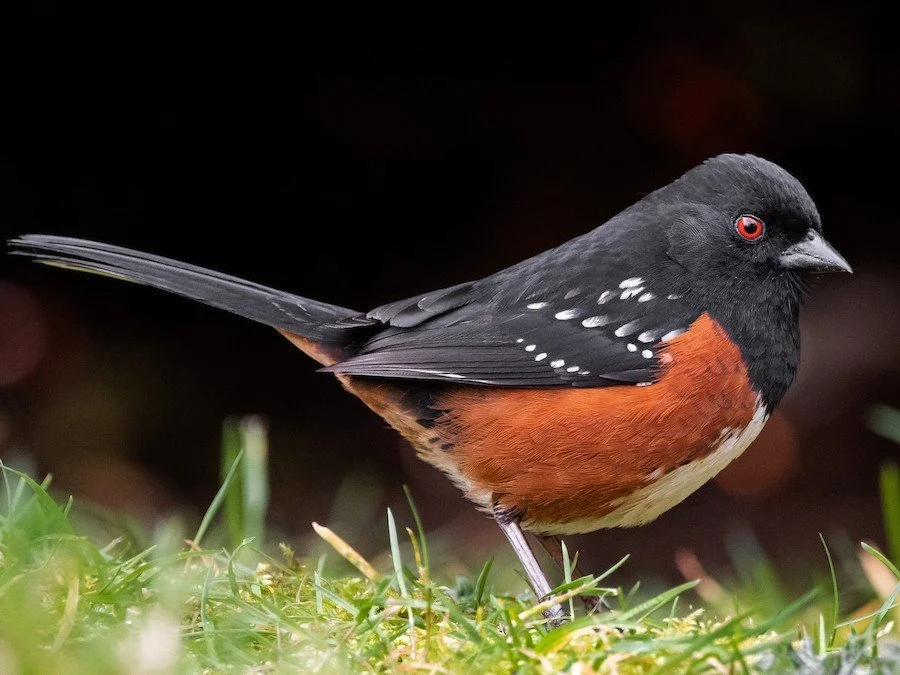
Spotted Towhee
At first glance, the Varied Thrush are sometimes confused with the Spotted Towhee. Both are shy birds, and both visit bird feeders, but the Towhee generally forage on the ground and remain in our gardens year-round.
Photo: allaboutbirds.com
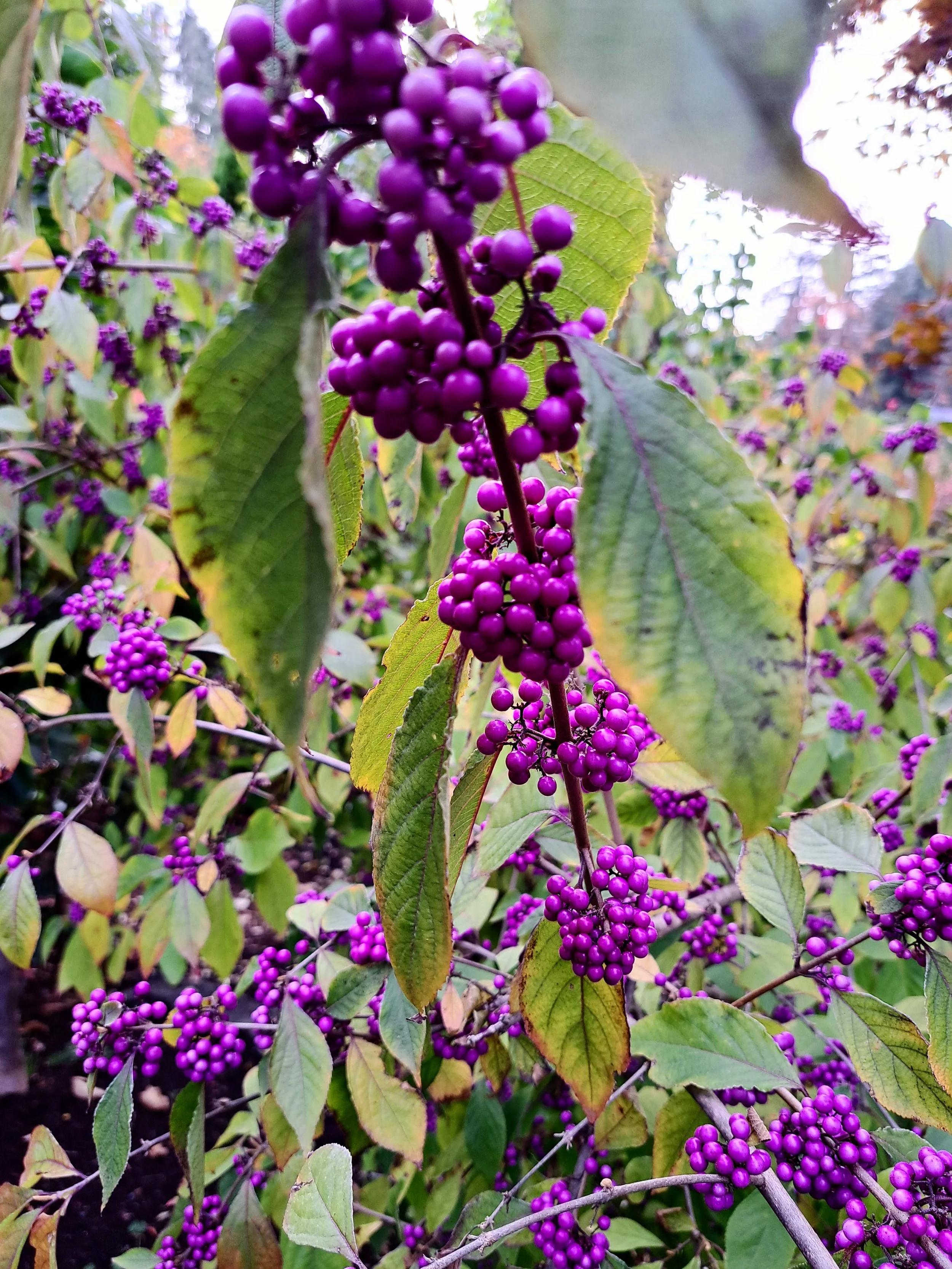
Callicarpa bodinieri ‘Profusion’
also known as Beautyberry, has vibrant violet berries that last through the winter season
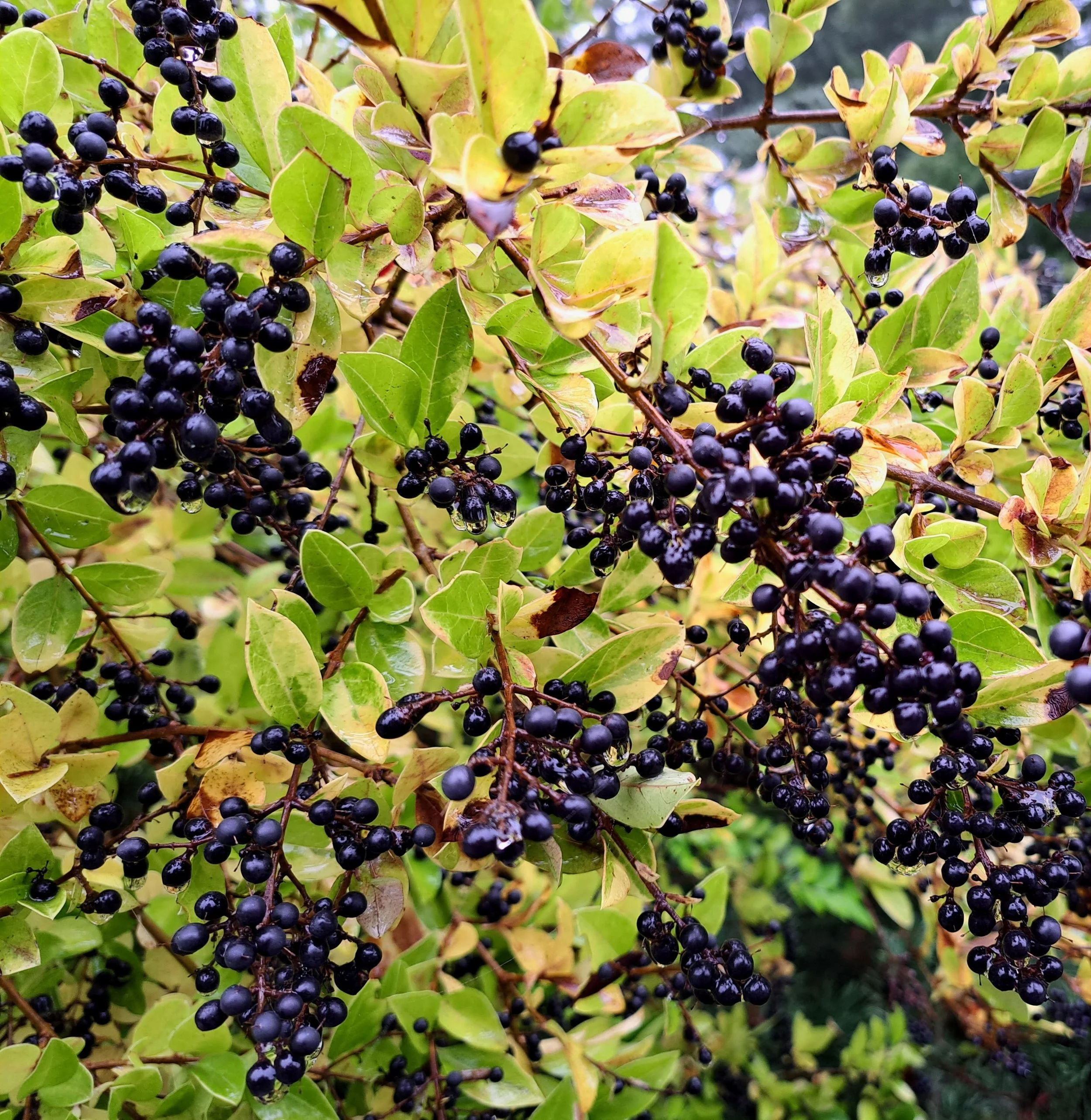
Ligustrum x vicaryi
Ligustrum x vicaryi, is also known as the Golden Privet. In fall and thru winter, clusters of shiny black berries contrast beautifully with golden, pink-tinged foliage that is often retained during milder winters. While birds eat these berries, they will cause humans and pets considerable discomfort.
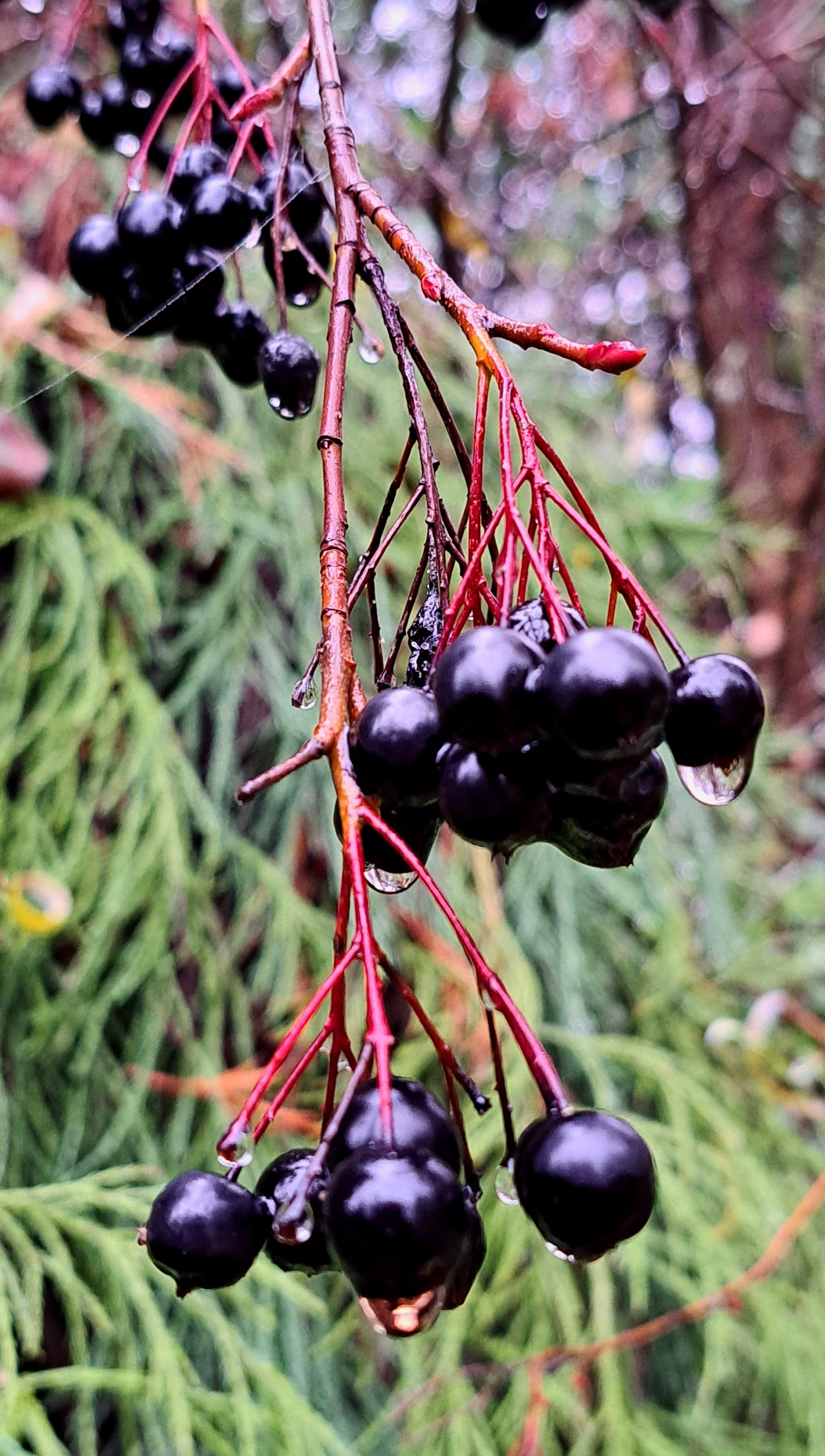
Aronia melanocarpa
Black Chokeberry
is a hardy fruit bush famed for its nutritional benefits. It has a distinctive astringent and sweet taste and is therefore appreciated most often in jellies, preserves and pies. It also displays genuine beauty and high ornamental value, and is one of the easiest fruits to grow, without any known disease or insect problems to date.
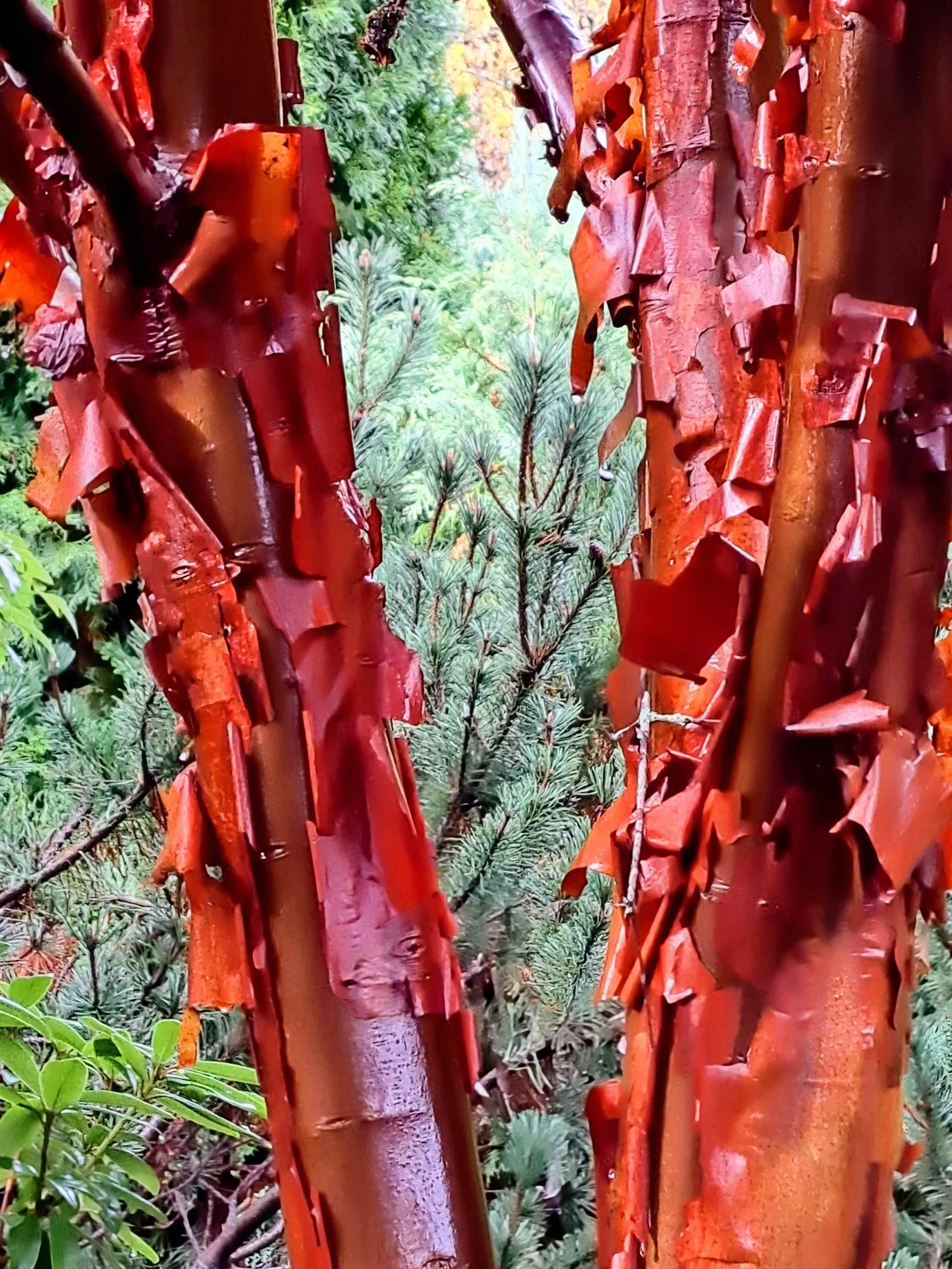
Acer griseum Paperbark Maple
Bark exfoliates in thin, papery curls, revealing bright cinnamon-red or copper wood underneath.
Nature’s festive season decor is unparalleled