
Text and Photos by Alan Campbell
I have elaborated extensively on my view of various aspects of rhododendrons. The habit, colour, leaf texture and temperament be it of hybrids or species. But what may be the sentiment of a gardener holding, shall I say, a less absorbed focus on the genus?
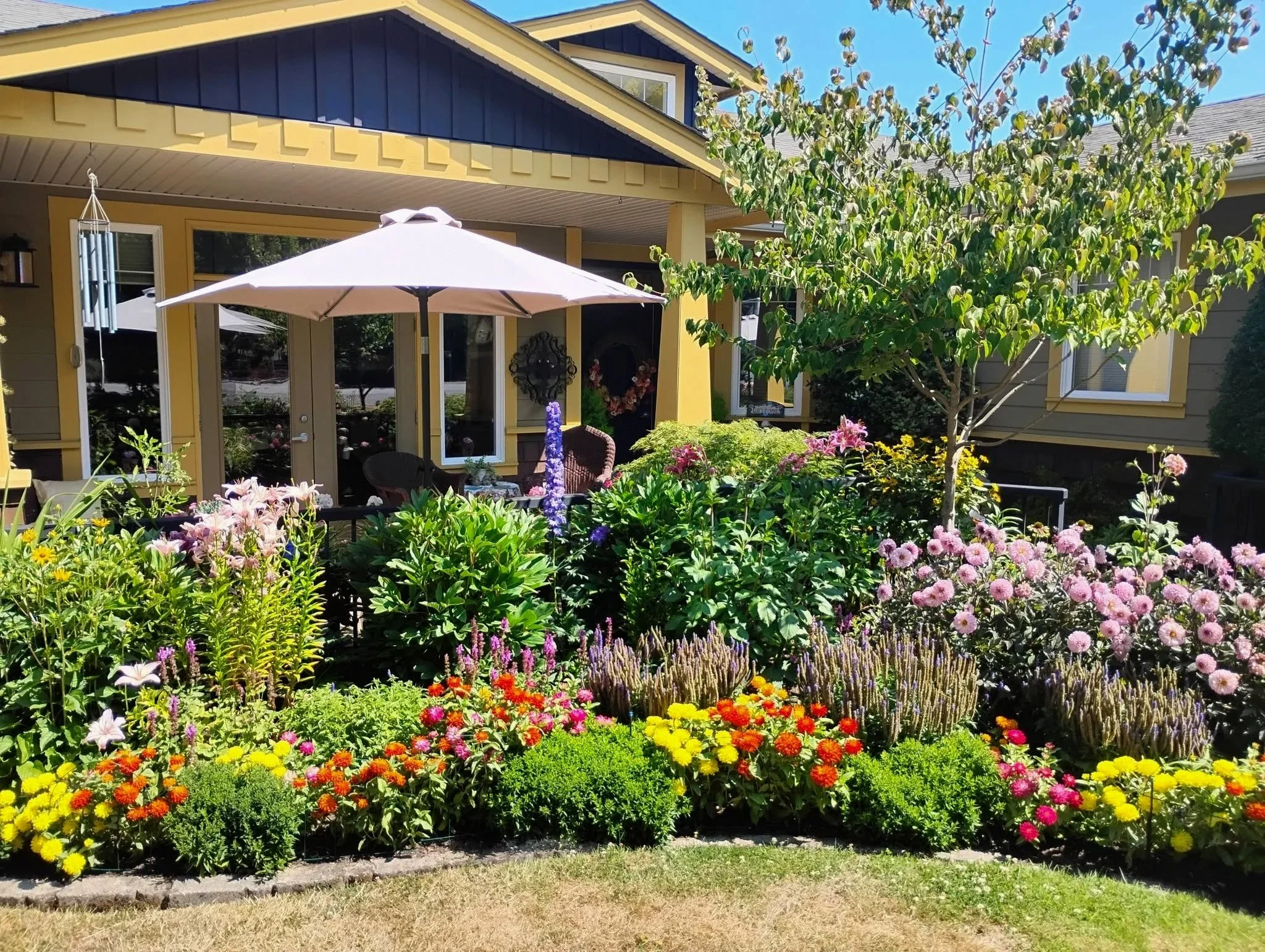
Sandy’s gardening skills have been honed over 50 years, self-taught and through garnered experience. My wife holds an all-encompassing interest in plant material. The garden is her sanctuary of meditation and reflection. Spring bulbs, summer annuals, Hosta with complementing foliage, heucheras and ferns, perennials of all description to provide interest and colour from early Spring to late Fall. Her plantings are always under her own critical speculation and consideration to satisfy a new perspective; this, a type of choreography of the gardener. An author Mac Griswold muses, “gardening is the slowest of the performing arts.”
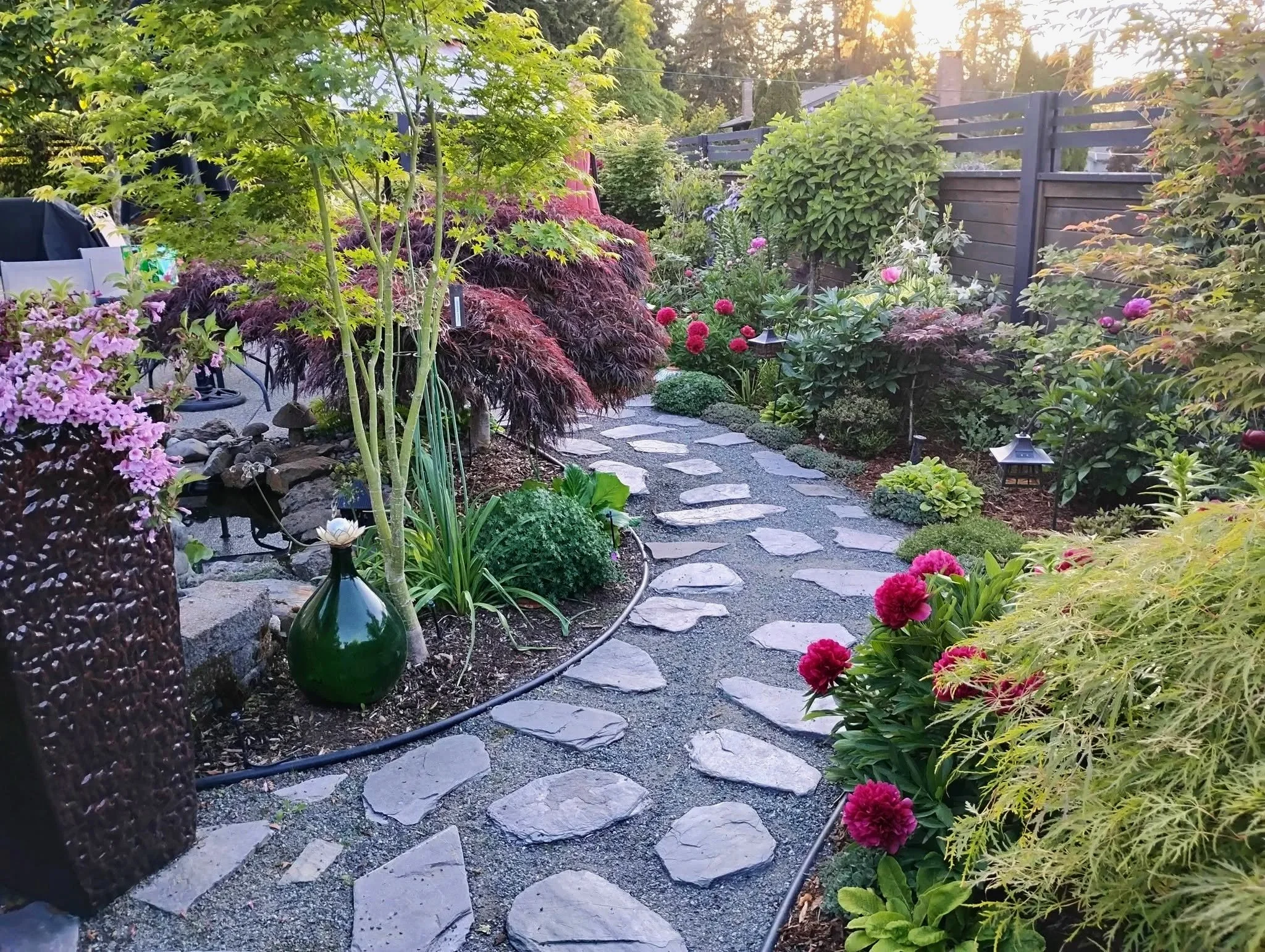
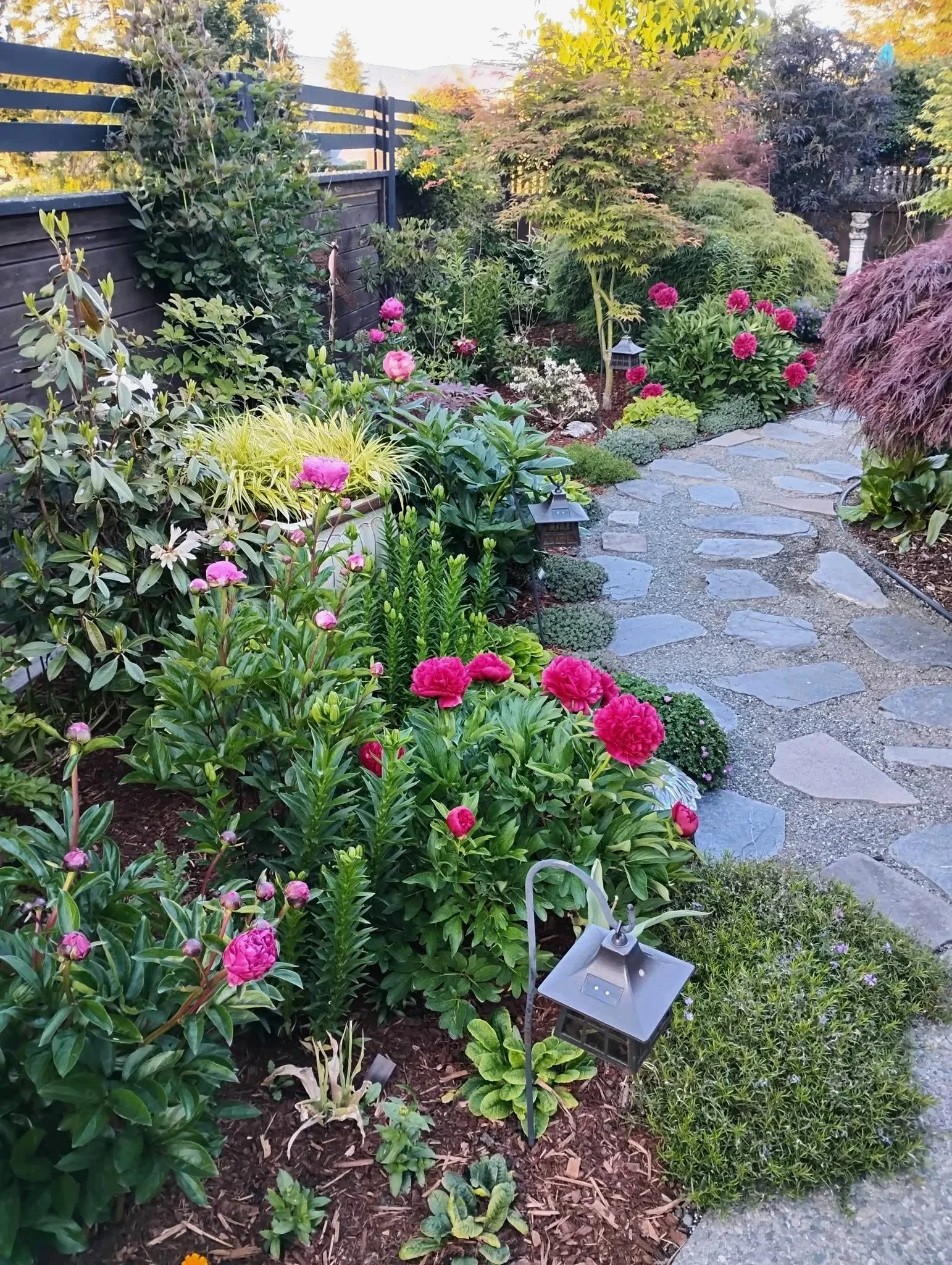
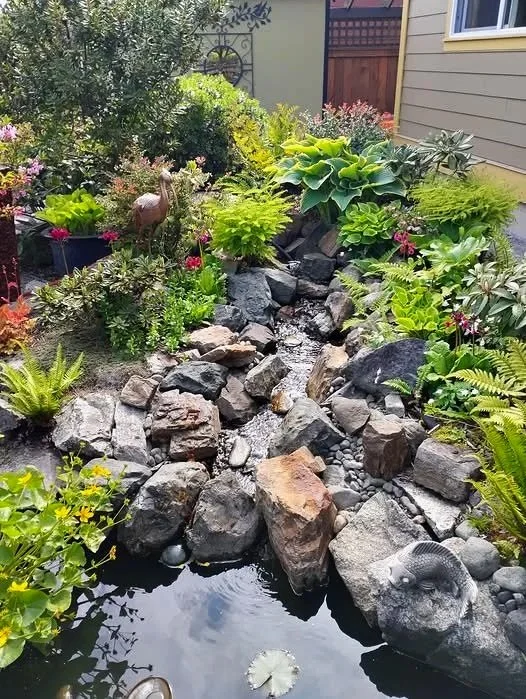
Rhododendrons also add to Sandy’s palette of colour. The hybrid rhododendron ‘Razorbill’ is her favourite. This dwarf rhododendron fits nicely in a rock garden or as an edging plant in the perennial garden, mounding up to 2 ft. with pink/rose tubular, upright flowers and dark green somewhat rough-textured foliage.
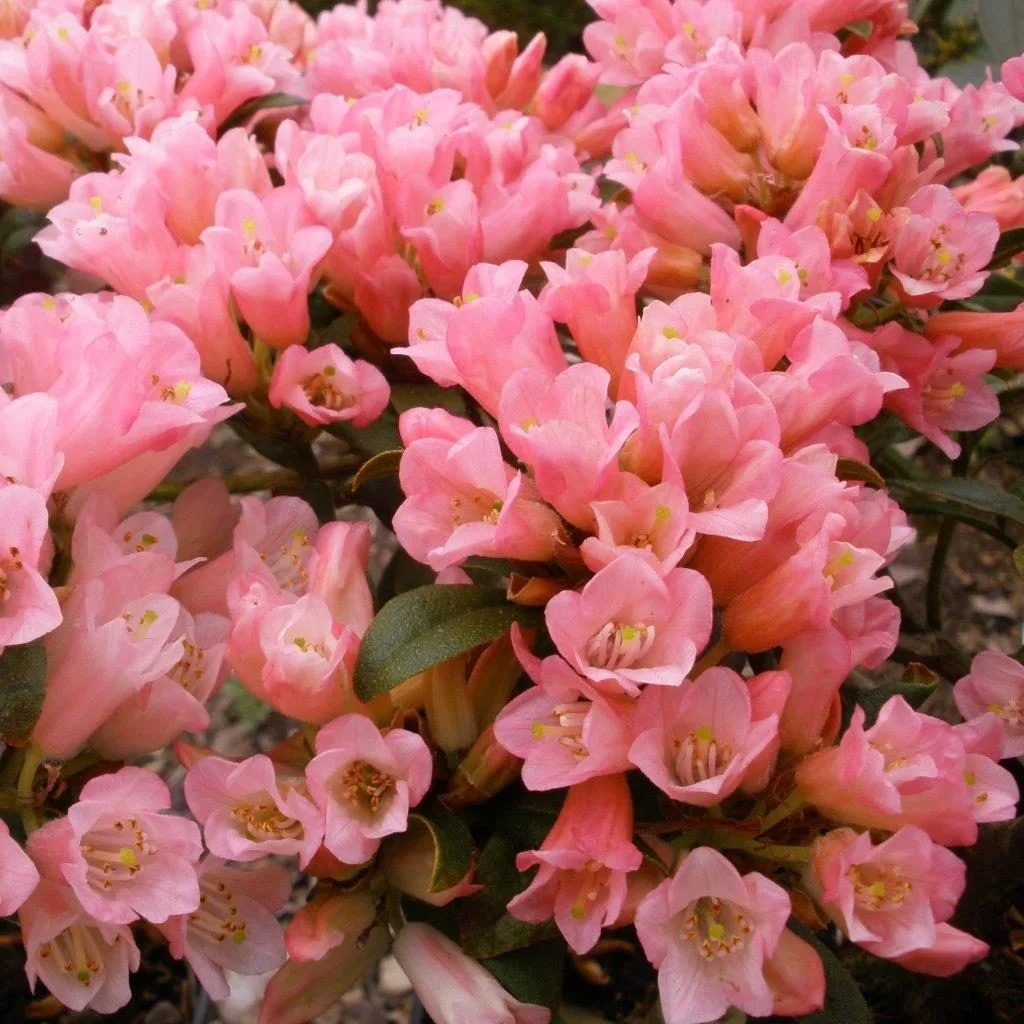
Dwarf Rhododendron ‘Razorbill’
Photo: Millais Nursery
‘Razorbill’ was introduced and registered by Peter Cox in 1975 from his hybridizing efforts at his Glendoick Nursery just outside Perth, Scotland. It is a ‘bumble bee hybrid’, as R. spinuliforum is listed as the seed parent but with no identified pollen parent. The Royal Horticultural Society (RHS) gave recognition by bestowing its Award of Garden Merit (AGM) to this special rhododendron. ‘Razorbill’ was also recognized as the ARS lepidote Rhododendron of the Year (ROY) in the Pacific Northwest region in 2017.
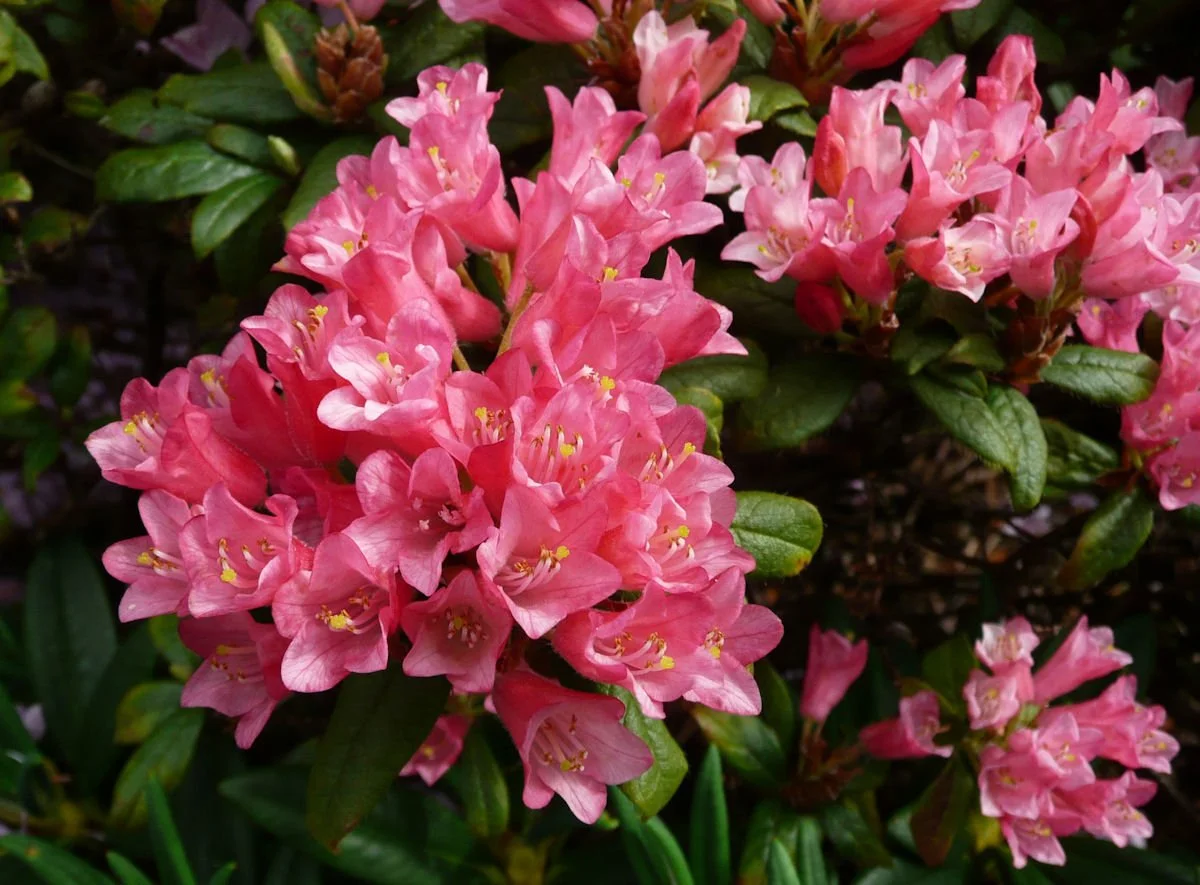
Rhododendron ‘Razorbill’
Photo: Jens Birk
The rhododendron ‘Razorbill’ fits the bill in any garden.