
Growing Your Own Sphagnum Moss as a Medium for Propagating Rhododendrons from Seed
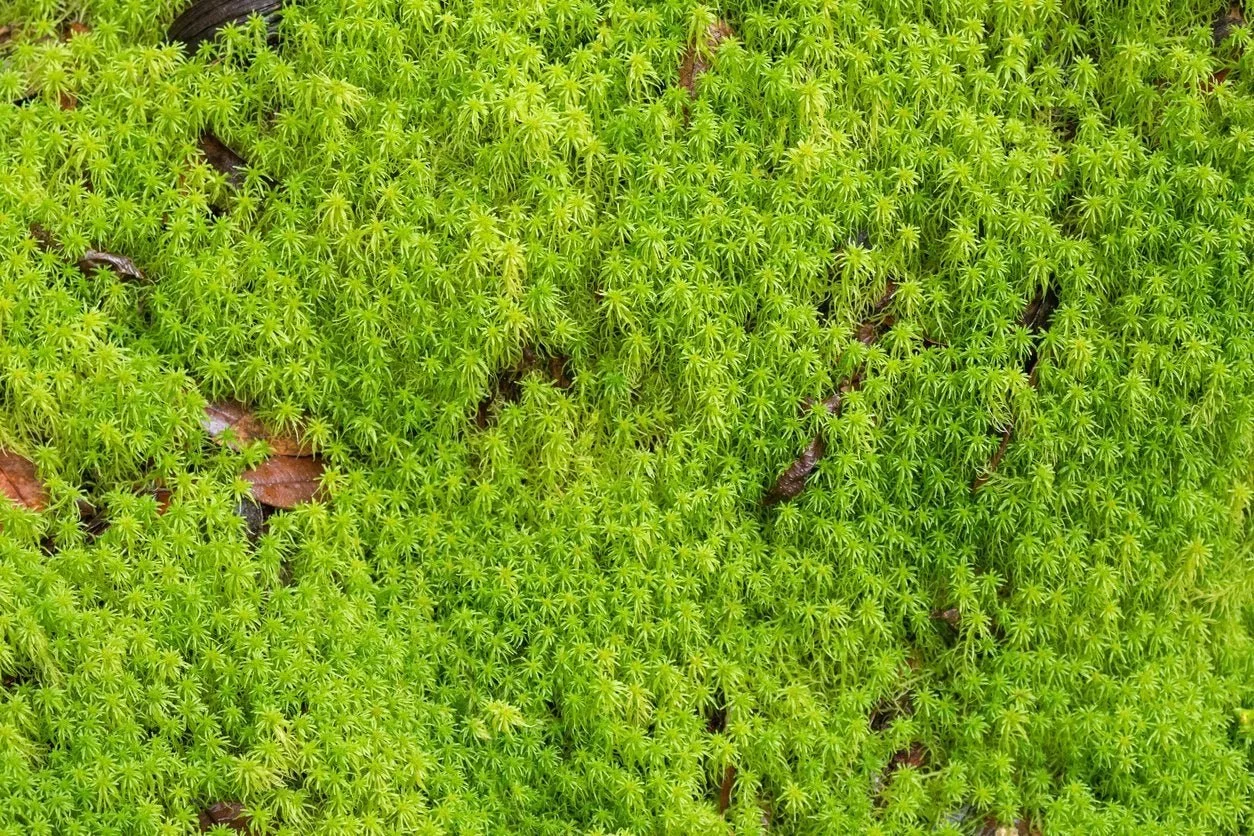
Bright green, live sphagnum moss
Sphagnum is a genus of approximately 380 accepted species of mosses commonly known as sphagnum moss, or bog moss. Accumulations of Sphagnum can store water, since both living and dead plants can hold large quantities of water inside their cells. Plants may hold 16 to 26 times as much water as their dry weight, depending on the species.The empty cells help retain water in drier conditions.
One of the best mediums for seeding rhododendrons is sphagnum moss. At one of the Rhododendron Species Botanical Garden Symposiums, Atsuko Gibson, demonstrated how to grow rhododendrons from seed.
Her chosen medium for germinating rhododendron and azalea seeds is sphagnum moss. She explaineded how she grows her own moss for this purpose.
You can easily grow sphagnum moss at home by placing live sphagnum strands on a damp, acidic base inside a clear, covered container with bright, indirect light.
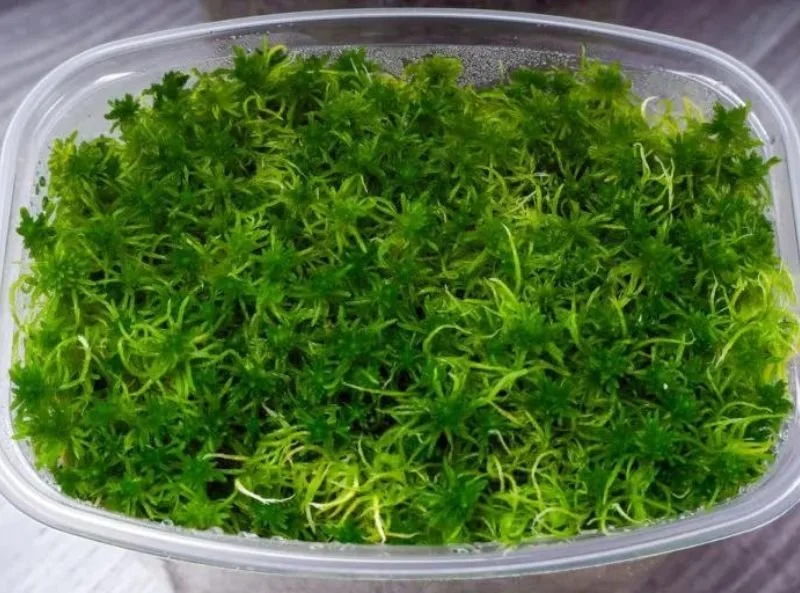
Sphagnum moss Photo: cococoirglobal.jpg
What You Need
Live sphagnum moss: Start with live strands, as dried or compressed brick moss rarely regrows.
A clear container: A plastic tub, tray, or leftover food container with a clear lid.
Growing medium: Peat moss, old peat mix, or dead sphagnum moss.
Water: Rainwater, distilled water, or reverse osmosis (RO) water. Avoid tap water with high mineral content.
Light: LED grow lights or a bright windowsill with indirect sunlight.
Step-by-Step Growing Guide
Prepare the container: Clean your tub and add a 1-to-2-inch layer of moistened peat moss or dead sphagnum moss at the bottom.
Clean the live moss: Sift through your live sphagnum strands to remove any sticks, leaves, or debris.
Moisten the medium: Add water to the container so the base is thoroughly damp. Press the moss down gently. Pour off any standing pools or puddles, as excess water causes rot.
Place the moss: Lay the live sphagnum strands evenly across the surface of the damp substrate. You do not need to bury the ends.
Seal and position: Put the clear lid on the container to lock in high humidity (60% to 80%). Place it under LED lights for 12 to 16 hours a day or in a bright spot out of direct, scorching sun.
Maintain and harvest: Mist the moss when it starts to look dry at the tips. Leave the lid slightly cracked if mold appears or if condensation becomes too heavy. Once a dense green carpet forms after a few months, you can snip off the top portions to harvest