
Companion Plant of the Month
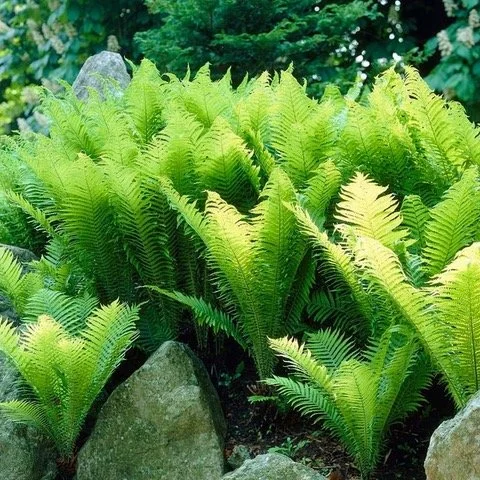
Matteuccia struthiopteris
By Verna Buhler
Matteuccia struthiopteris, commonly known as Ostrich Fern, is native to much of North America, and very hardy, growing in Zones 2 – 8.
It prefers moist soil in part or full shade but will grow in sun if it receives plenty of water.
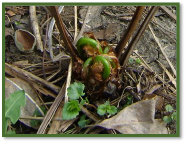
Emerging fronds in early spring
Once established, Ostrich fern spreads easily, forming a thick stand of emerald green. When ideally situated, the fern may grow up to 5 feet in height.
Early emerging growth, the tightly curled fiddleheads, of Matteuccia struthiopteris are edible as vegetables.
On Vancouver Island fiddleheads are harvested in early to mid-spring, while they are still tightly coiled.
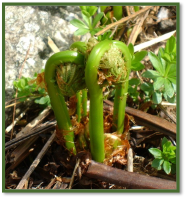
Ready to harvest
At this point they grow rapidly, so it is important to check the plants often as it is very easy to miss the very short harvesting season. Within a day or two they begin unfurling and are no longer edible.
Harvest fewer than half of the fiddleheads from any plant, as it needs leaves for strong regrowth.
The photo on right depicts the right time to harvest fiddleheads.
Identification of edible ferns is essential. Ostrich fern and Lady fern are edible, but many ferns are not.
Ostrich fern has a U-shaped stem, as shown in the photo, right.
Do not harvest ferns with a whitish fuzz or solid stems as you may become very ill.
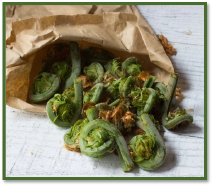
Lady fern, Athyrium filix-femina is also easy to grow in moist shade but requires better drainage than Ostrich fern. It is said that the Ostrich fern is tastier.
DO NOT eat either of the two edible species of fiddleheads RAW.
Blanching them is recommended as this helps to prevent overcooking. Blanched fiddleheads will also retain a bright green colour.
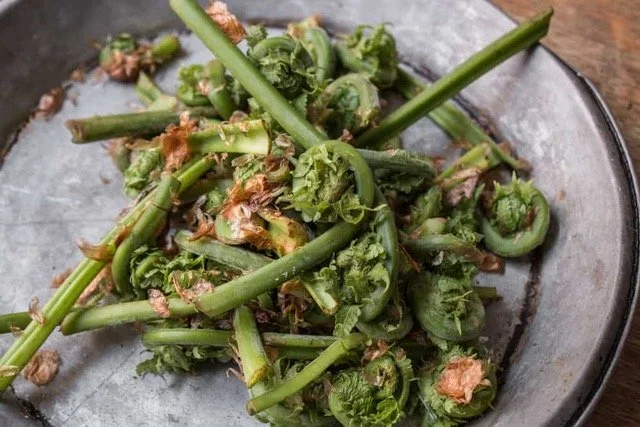
Simply drop the fiddleheads in salted boiling water for 1-2 minutes and then allow them to cool without using ice water. Using ice with cause them to discolour and oxidize. Blot them to dry them.
The longer stems are also edible and tasty, so they can be blanched as well.
Once the fiddleheads have been blanched and dried, they may be used in various ways, such as in salads, soups, and dropped into a stir-fry just at the end.
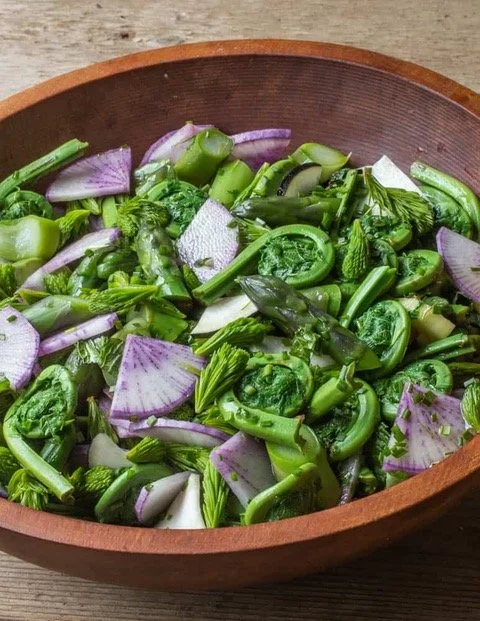
It is best to enjoy the fiddleheads during the harvesting period, but they may also be dried or pickled.
Photos and information from Forager Chef
Magnolia wilsonii
Magnolia wilsonii is a shade tolerant, wide-spreading, multi-stemmed tree, with elegant, nodding, bell-shaped flowers. Each fragrant flower is composed of nine pure white petals (more correctly called tepals) surrounding a showy central ring of rose-red staminodes. The nodding to fully pendent blooms are best enjoyed from beneath the canopy of this tree. The silvery undersides of the leaves and pure white flowers play well off the dark purple twigs and dark blackish brown bark.
Ernest Wilson, discovered it in western China in 1904.
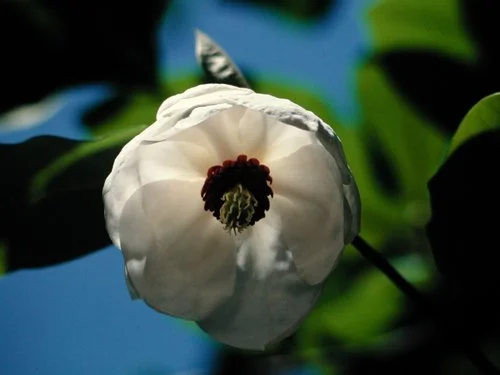
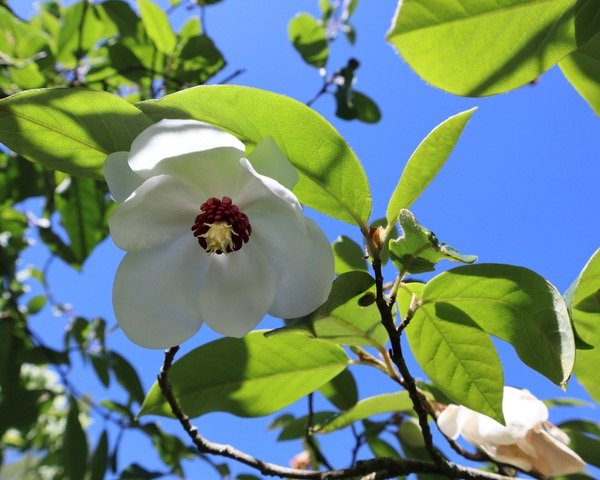
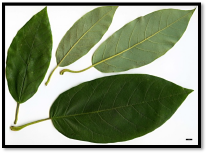
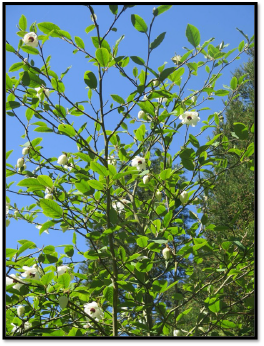
The red stamens of Magnolia wilsonii contrast beautifully with the white tepals. It flowers in May and June, producing red fruits in September–October.
Photos and information from Trees and Shrubs Online.